Understanding the Point-in-Time Count: Why It Matters for Our Community
Each January, communities across the country participate in the Point-in-Time (PIT) Count — a federally required effort to better understand homelessness on a single night. While the process itself happens over a short window of time, the data it produces plays a critical role in shaping resources, funding, and long-term solutions.
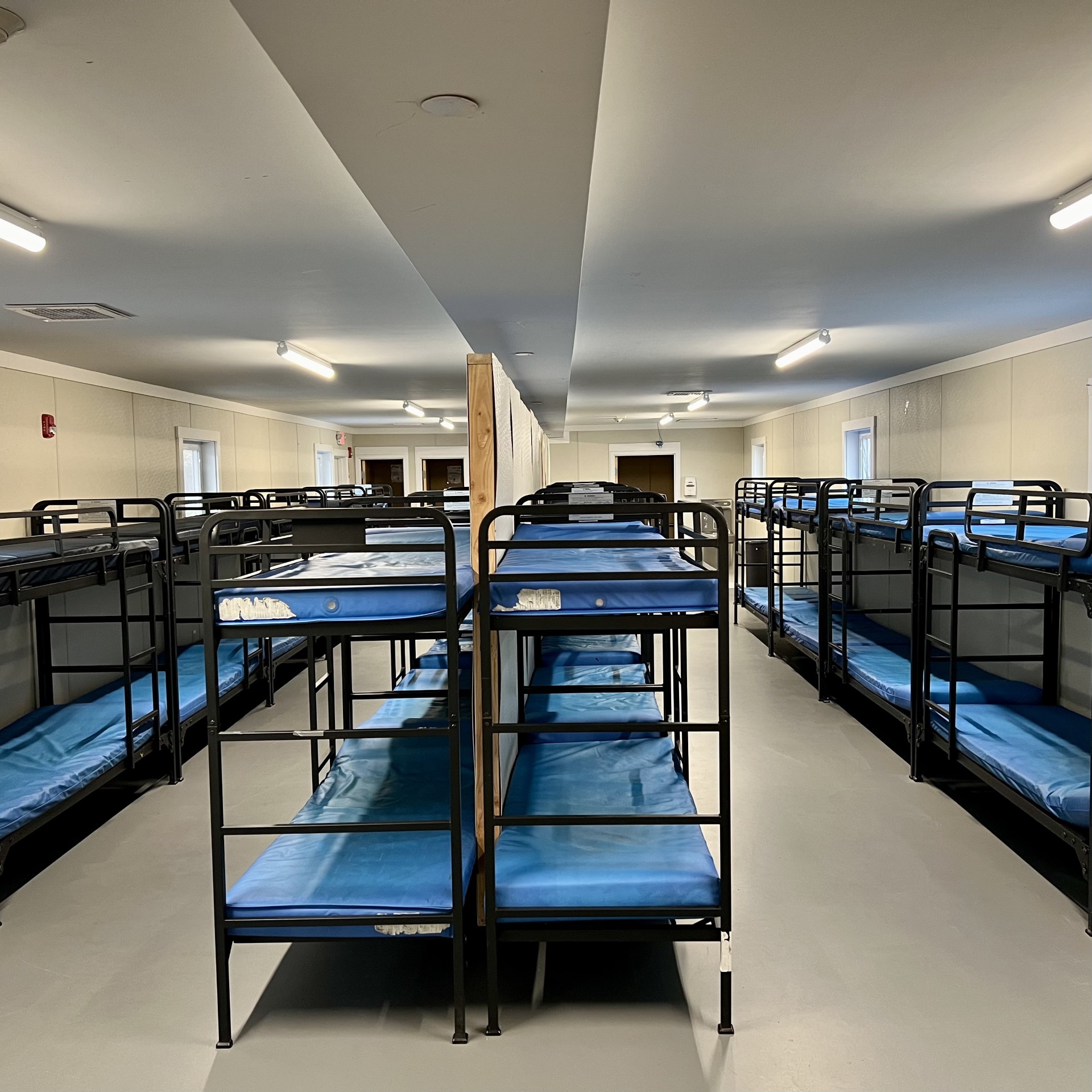
At the Concord Coalition to End Homelessness (CCEH), staff and partners work behind the scenes to ensure the count is completed accurately and respectfully, particularly within shelter settings.
What Is the Point-in-Time Count?
The PIT Count is an annual snapshot of people experiencing homelessness on one night in January. It includes individuals staying in emergency shelters, transitional housing, as well as those living unsheltered — such as in vehicles, outdoors, or in places not meant for habitation.
Although it reflects just one moment in time, the PIT Count is conducted nationwide, using consistent definitions and methods, which allows communities to compare trends and better understand homelessness both locally and nationally.
Why Data Matters
Madison Shorter, the Resource Center Team Lead at CCEH, helped conduct the PIT Count within the shelter this year. She emphasized that while the count is rooted in human stories, its power lies in the data itself.
“The PIT Count is data,” Madison explained. “And data doesn’t have bias.”
By collecting the same information across communities — from shelters to encampments — the PIT Count provides a standardized snapshot of homelessness. This consistency is essential. It helps ensure that decisions about funding and services are based on real numbers rather than assumptions.
What Data Does the PIT Count Collect?
During the PIT Count, trained staff and volunteers collect standardized information that helps paint a clearer picture of homelessness in our community. This includes demographic data and details about individuals’ living situations on the night of the count.
The data collected may include information such as age, race, gender, veteran status, and whether someone is experiencing sheltered or unsheltered homelessness. It also helps distinguish between different types of homelessness, including people staying in shelters, transitional housing, or living outdoors or in encampments.
This information is collected using the same definitions and methods across the country, ensuring consistency from one community to the next. By understanding who is experiencing homelessness and in what circumstances, communities can better identify gaps in services and tailor responses to meet real needs.
A Snapshot, Not the Whole Picture
It’s important to recognize what the PIT Count does — and does not — show. The data represents a single night, not everyone who experiences homelessness throughout the year. Many people cycle in and out of housing instability and may not be visible on the night of the count.
Still, as Madison noted, that snapshot is meaningful.
“It gives us a picture of what homelessness looks like right now,” she said. “Even though it’s one-off data, it’s collected everywhere, the same way.”
When viewed over time, these snapshots allow communities to track trends, identify gaps, and advocate for the resources people need.
From Data to Action
At CCEH, PIT data helps inform local programs and supports broader advocacy efforts at the state and federal level. The information collected influences funding decisions, guides planning, and strengthens the case for systems that move people from homelessness into stable housing.
While the PIT Count is rooted in numbers, its impact is deeply human. Each data point represents a person — someone experiencing homelessness in our community.
The PIT Count helps ensure they are seen, counted, and included in the work toward long-term solutions.