
President Trump’s draft FY2026 budget, unveiled in early May, proposes drastic changes to federal housing aid. It targets a 44% reduction in Department of Housing & Urban Development (HUD) funding and a 43% cut to rental assistance, risking support for more than nine million Americans.
Under the plan, programs like Housing Choice Vouchers and public housing would be merged into state-controlled block grants. States would receive fixed funds, determine eligibility rules – including a proposed two-year cap for non-disabled, non-elderly households – and face minimal federal regulation.
Proponents argue that vouchers should be short-term supports and that states can more effectively tailor programs to local needs. HUD Secretary Scott Turner described it as empowering states to “spend taxpayer dollars thoughtfully and precisely.”
However, housing advocates, including the National Low Income Housing Coalition, warn that slashing nearly half the funding and handing control to states could result in devastating outcomes – especially in high-rent urban centers and rural communities. They caution states often lack both the finances and administrative capacity to manager this new responsibility.
While conservative voices support the idea of block grants and time limits, others fear a blanket two-year cap could lead to widespread disruption, particularly for families already receiving aid.
Congress now holds the decision-making power. The House and Senate appropriations committees must determine whether to approve the proposed cuts or maintain current levels of federal oversight and funding for rental assistance.
Here’s how the proposed federal rental aid cuts could impact New Hampshire:
- Disruption of Existing Aid Programs
- Rental vouchers and HUD programs in limbo: New Hampshire Housing and similar agencies haven’t yet received clarity from the federal level on whether current Housing Choice Vouchers and block grants will be cut or frozen. Without guidance, staff are preparing for significant disruptions.
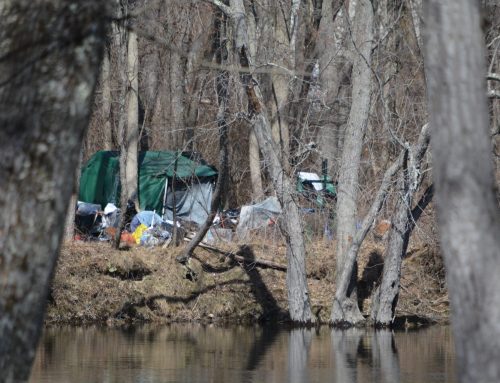
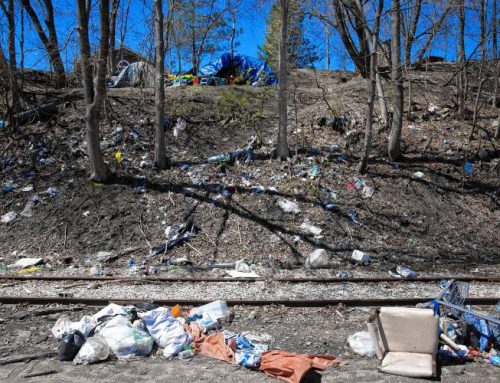
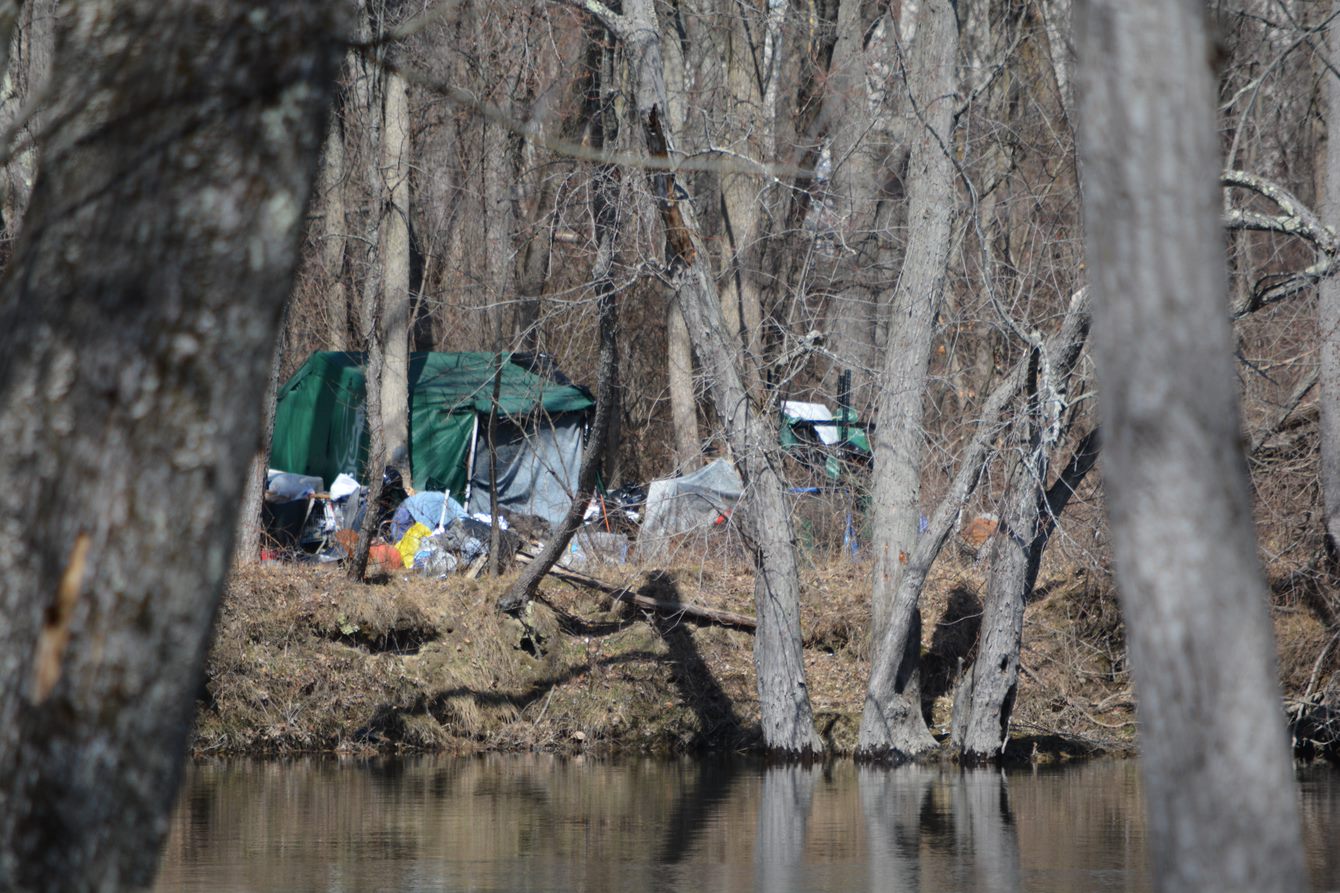
- Potential for immediate hardship: Local housing advocates warn that a 43-44% cut in federal rental support would inevitably lead to increased levels of homelessness, particularly in areas with high costs of living, such as NH, where the median rent for a 2-bedroom apartment statewide was over $1,800 a month in 2024.
- State-Level Budget Constraints
- Strained state priorities: Even as federal aid may shrink, NH’s state budget is being trimmed – Republican-led cuts to Medicaid, social services, and other community supports are already proceeding.
- Local housing initiatives sidelined: The Housing Champions Program – an initiative hailed by housing advocates as a key tool in the fight against NH’s housing crisis – was defunded by the state Senate committee in May, meaning town may lose critical funds to build new housing.
- Local Agencies Left in the Dark
- Uncertainty for providers: Community Action Programs and other community groups face “paused projects” and funding delays, with some forced to cut staff or services due to looming federal rescissions.
- State officials scrambling: NH Housing and other state agencies are requesting detailed transition plans from HUD but still lack clear answers on how block grants would work or how to measure local need.
What Can You Do?
- Ask your federal and state representatives how they’re planning to offset federal rental aid cuts.
- Follow updates from NH Housing – they’ll be the first to detail changes in voucher administration.
- What for statehouse committee hearings where block grant transitions and local impacts will be debated.
Unless Congress blocks these cuts, New Hampshire faces a perfect storm – shrinking federal aid, tightening of the state budget, halted local programs, and communities scrambling to fill the gaps.